3,400MW deficit persists as LNG drops to 500MW, hydel falls to 1,600MW.
Solar net metering has prevented daytime load shedding in Pakistan by supplying up to 8,000MW to the grid, offsetting a large portion of power shortfall caused by a sharp decline in LNG-based and hydropower generation, according to a news report.
Power Minister Awais Leghari said solar generation has reduced load shedding by around four hours, ensuring an uninterrupted electricity supply during daytime hours despite ongoing supply constraints.
However, the shift to solar has pushed peak demand to nighttime, where the system faces greater pressure, with demand reaching up to 20,000MW and resulting in load shedding of six to seven hours.
The minister said the shortfall has been driven by disruptions in LNG supplies linked to the Iran-US conflict and the closure of the Strait of Hormuz, which have significantly reduced fuel availability.
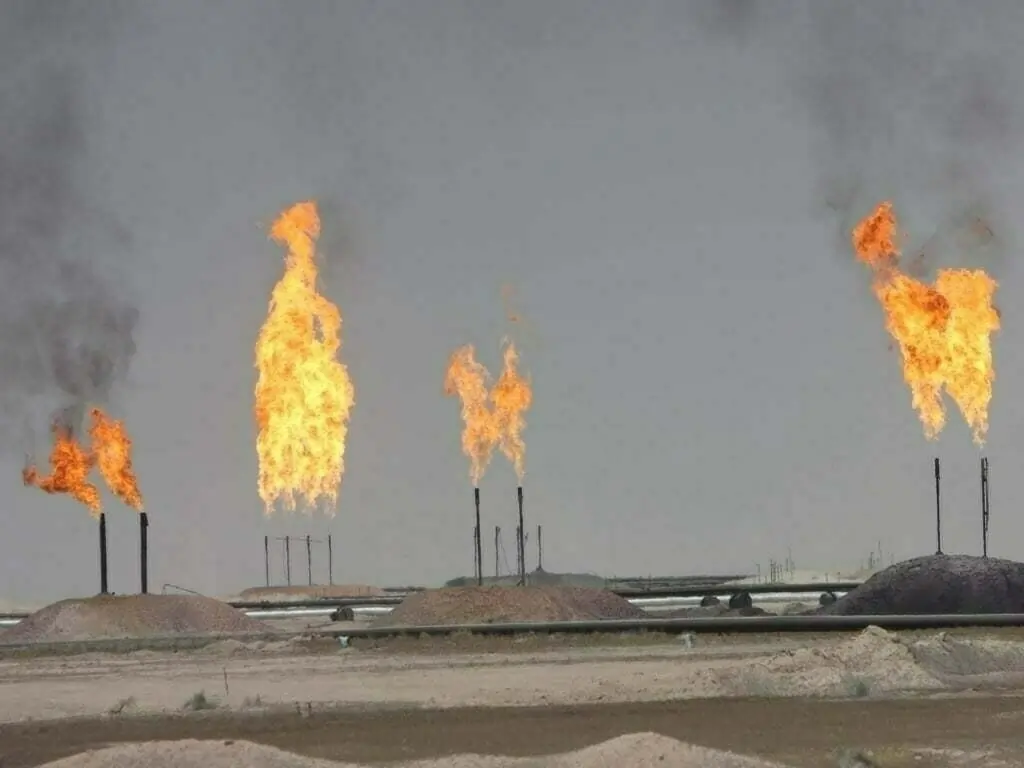
LNG-based generation has dropped to around 500MW from a total capacity of about 6,000MW, as gas supply to most plants remains suspended.
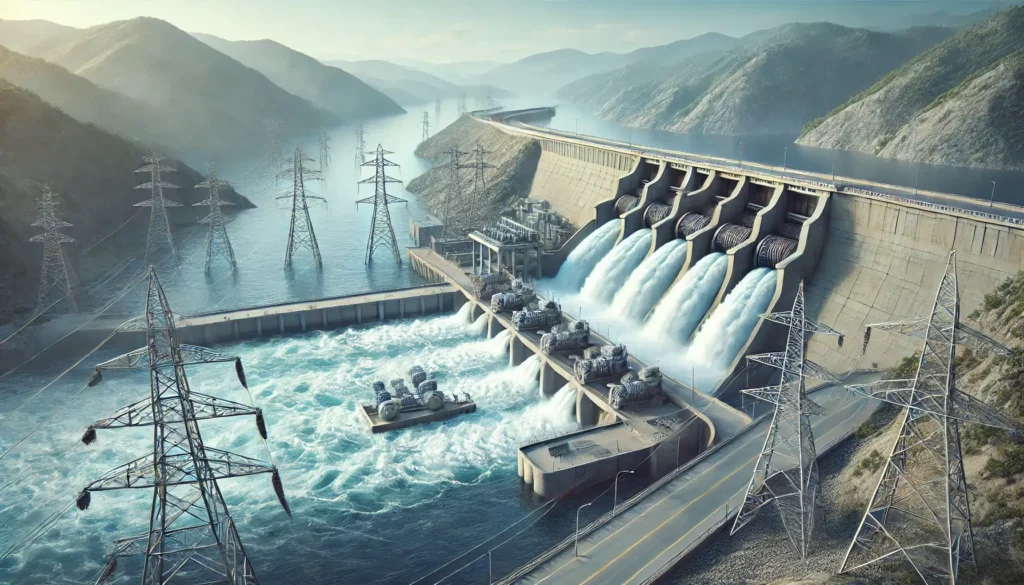
Hydropower generation has also declined to around 1,600-1,671MW from approximately 3,200MW last year due to lower water releases from Tarbela and Mangla reservoirs.
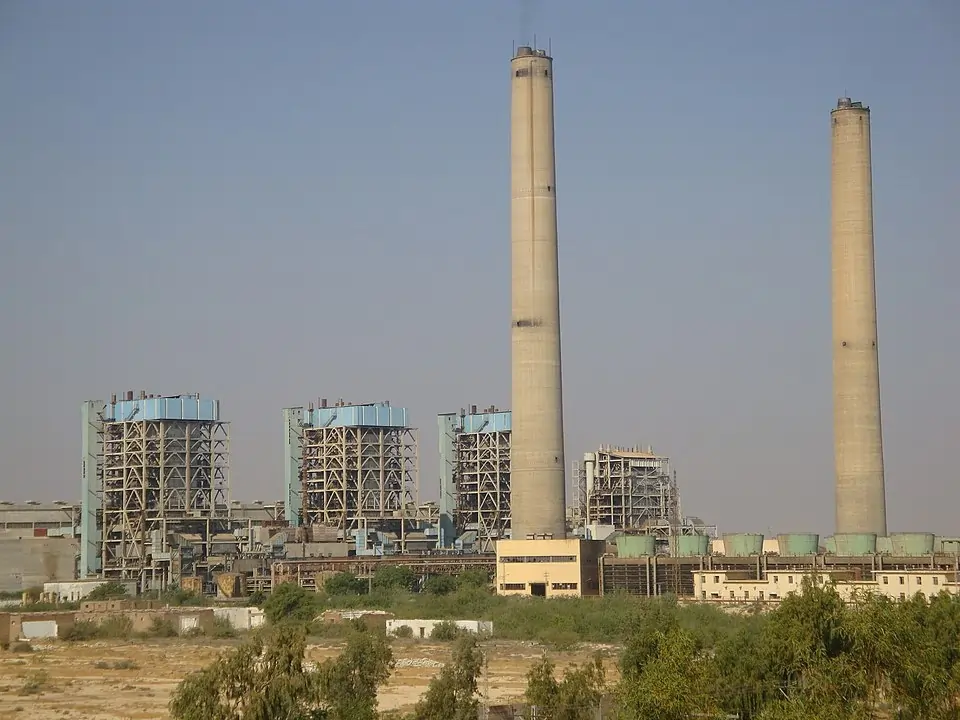
To manage the gap, furnace oil-based plants are operating at full capacity, while maintenance at nuclear facilities has been delayed.
The minister said load management is being implemented mainly during evening peak hours, with roughly one hour of outages required for every 500-600MW of shortfall.
Electricity demand has remained volatile, ranging between 9,000MW and 20,000MW in April, reflecting pressure on the system amid supply disruptions.
He added that although Pakistan has an installed capacity of around 46,000MW, actual generation remains constrained due to fuel shortages, limiting the ability to meet demand.