
August 18, 2025 (MLN): Pakistan’s cotton sector is on the brink of revival as a newly developed genetically modified seed, CEMB-33, has demonstrated the potential to nearly triple per-acre yields while withstanding extreme heat, offering fresh hope for the country’s struggling textile industry.
Developed after 25 years of research by the Centre for Excellence in Molecular Biology (CEMB) at Punjab University in collaboration with a private agri research company, CEMB-33 is the first indigenously engineered GM cotton seed in Pakistan.
Field trials across southern Punjab districts, including Bahawalpur, Rahim Yar Khan, Multan, and Vehari, recorded yields of 40–45 maunds per acre compared to the current national average of just 15 maunds.
The variety retained strong boll strength even above 47°C, produced 10–15 percent more lint than conventional seeds, and delivered superior fiber length and uniformity.
Agricultural experts believe this breakthrough could be a turning point for cotton farmers who have long struggled with declining production due to climate change, pest attacks, flower shedding, and early boll drop.
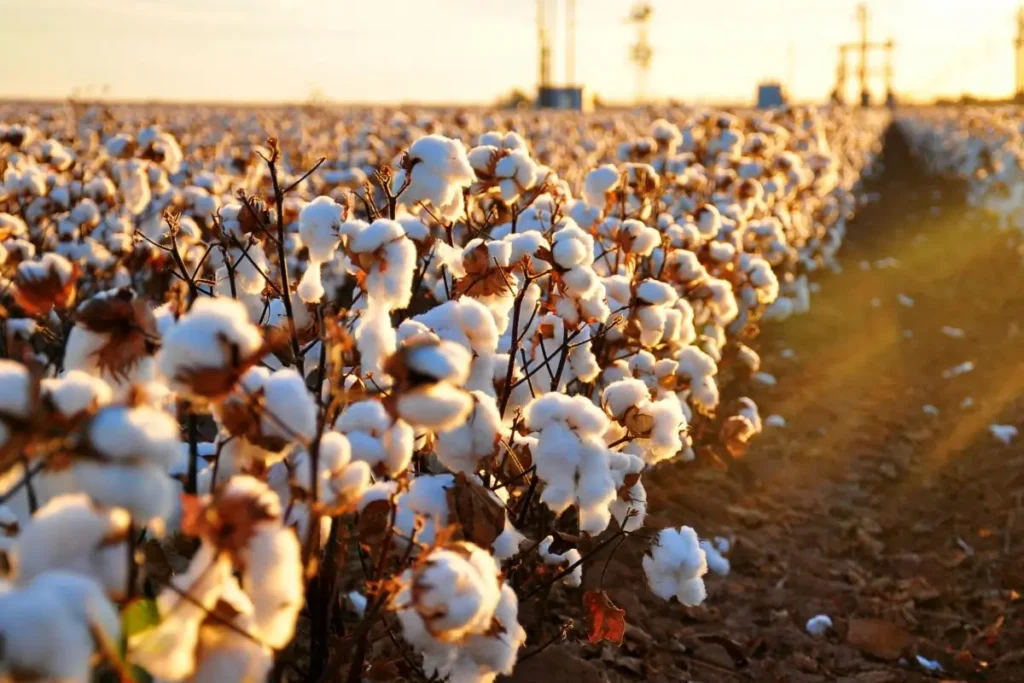
Cotton, cultivated in 15–18 districts of Sindh and Punjab, remains vital for Pakistan’s economy, contributing around 1% to GDP and generating over 50% of export earnings through textiles.
Private Agri Research Company Chairman Engr Javaid Saleem Qureshi said CEMB-33 incorporates advanced Bt gene technology, making it resistant to bollworms, tolerant to extreme heat, and immune to Cotton Leaf Curl Virus (CLCuV).
He emphasized that the variety would also reduce Pakistan’s dependence on imported Bt seeds.
Dr Kausar Abdullah Malik, Founding Director of the National Institute for Biotechnology and Genetics Engineering (NIBGE), highlighted that institutions such as NIAB, NIBGE, and CEMB are capable of producing climate-resilient cotton and wheat varieties essential for food and fiber security.
He noted that with Pakistan’s average temperature already up by 1.5°C, developing crops resistant to heat and drought had become critical.
Dr Malik, who also heads the federal consultative group on biotechnology, added that national biosafety guidelines were being revised to speed up commercialization of locally developed GM seeds like CEMB-33.