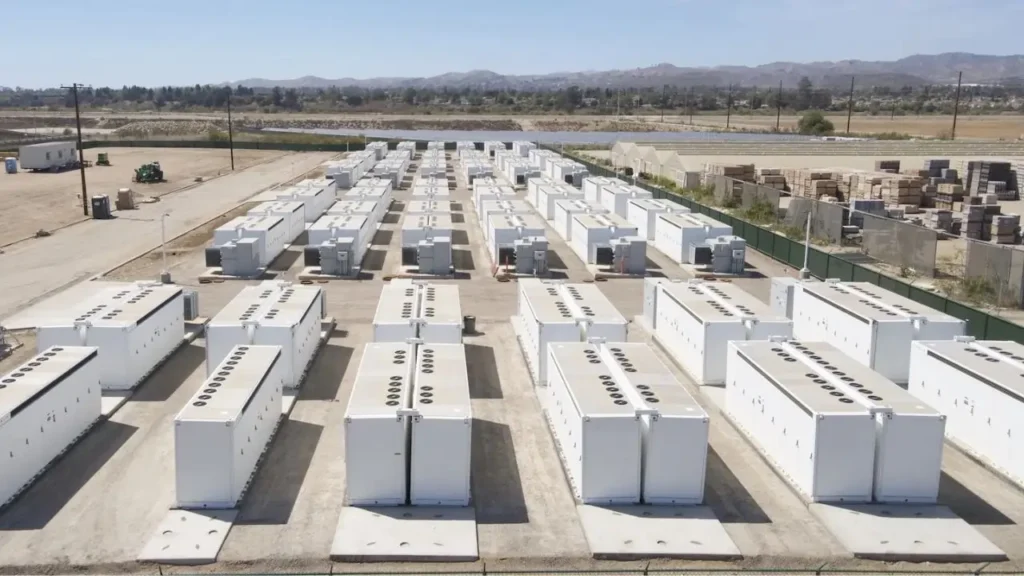
The government is moving forward with plans to deploy large, utility-scale Battery Energy Storage Systems (BESS) to stabilize the national grid, which has been challenged by frequency fluctuations due to the rapid integration of intermittent renewable energy sources.
Power Minister Sardar Awais Leghari, in a written statement to the National Assembly, said the government is encouraging private-sector investment in BESS to address the variability of renewables, optimize grid demand management, and enhance overall system stability.
Responding to questions from lawmakers, Leghari also confirmed that Pakistan is gradually reducing its reliance on imported liquefied natural gas (LNG) as part of a broader policy shift toward indigenous and renewable energy sources. The move comes amid higher capacity contracts, increased adoption of local renewables, and stagnant demand.
Leghari reported that clean energy’s share in the country’s power mix reached 46 percent by September 2025, surpassing the government’s 40 percent capacity target for the year. The government aims to increase on-grid renewable energy capacity to 40 percent by 2025 and 60 percent by 2030.
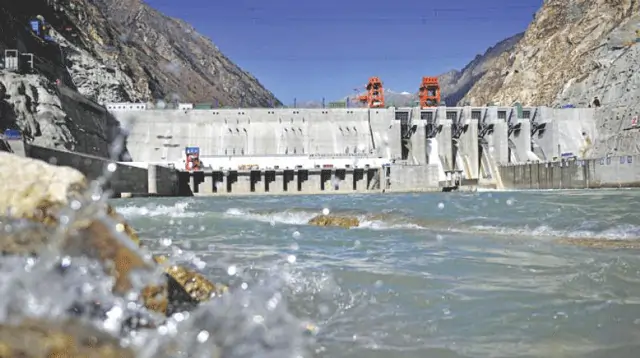
Currently, 60 private-sector renewable energy projects with a combined capacity of 4,753MW are operational, including 680MW of solar, 1,937MW of run-of-river hydropower, 1,845MW of wind, and 291MW of bagasse cogeneration. Alongside 9,619MW of public-sector hydropower and 100MW of solar in K-Electric’s system, renewables now account for more than 37 percent of the generation mix.
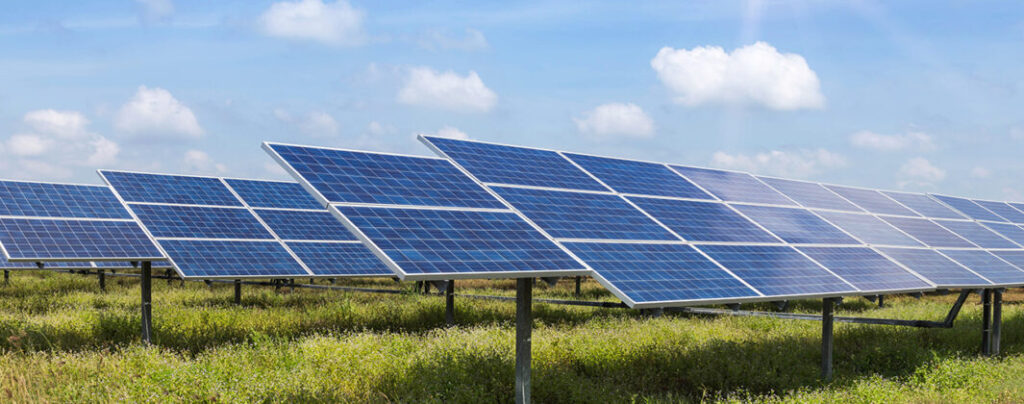
Net-metering-based solar photovoltaic systems have added 6,390MW as of September 2025, further raising the clean energy share to approximately 46 percent. The minister noted that this achievement exceeds the government’s 2025 renewable energy target.
Leghari also highlighted the finalization of an initial 800MW allocation for the Competitive Trading Bilateral Contract Market framework, which will allow renewable energy producers to enter direct supply contracts with large consumers, subject to a wheeling charge of about Rs. 13 per unit.
He emphasized the importance of reliable, efficient, and affordable electricity for sustainable economic growth, stating that the government is prioritizing the use of renewable and indigenous energy sources to diversify the energy mix.
On LNG, Leghari said the government’s policy shift is focused on promoting local resources such as Thar coal, solar, wind, bagasse, and hydropower, and ensuring least-cost dispatch in the generation mix.
He added that the adoption of solar energy technology is being actively promoted across residential, commercial, and industrial sectors, with net-metering regulations enabling consumers to offset their electricity consumption and contribute to the grid.
The minister also told parliament that load management is being carried out based on average technical and commercial losses, and that no loadshedding is being implemented due to generation shortfalls.